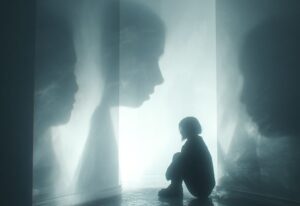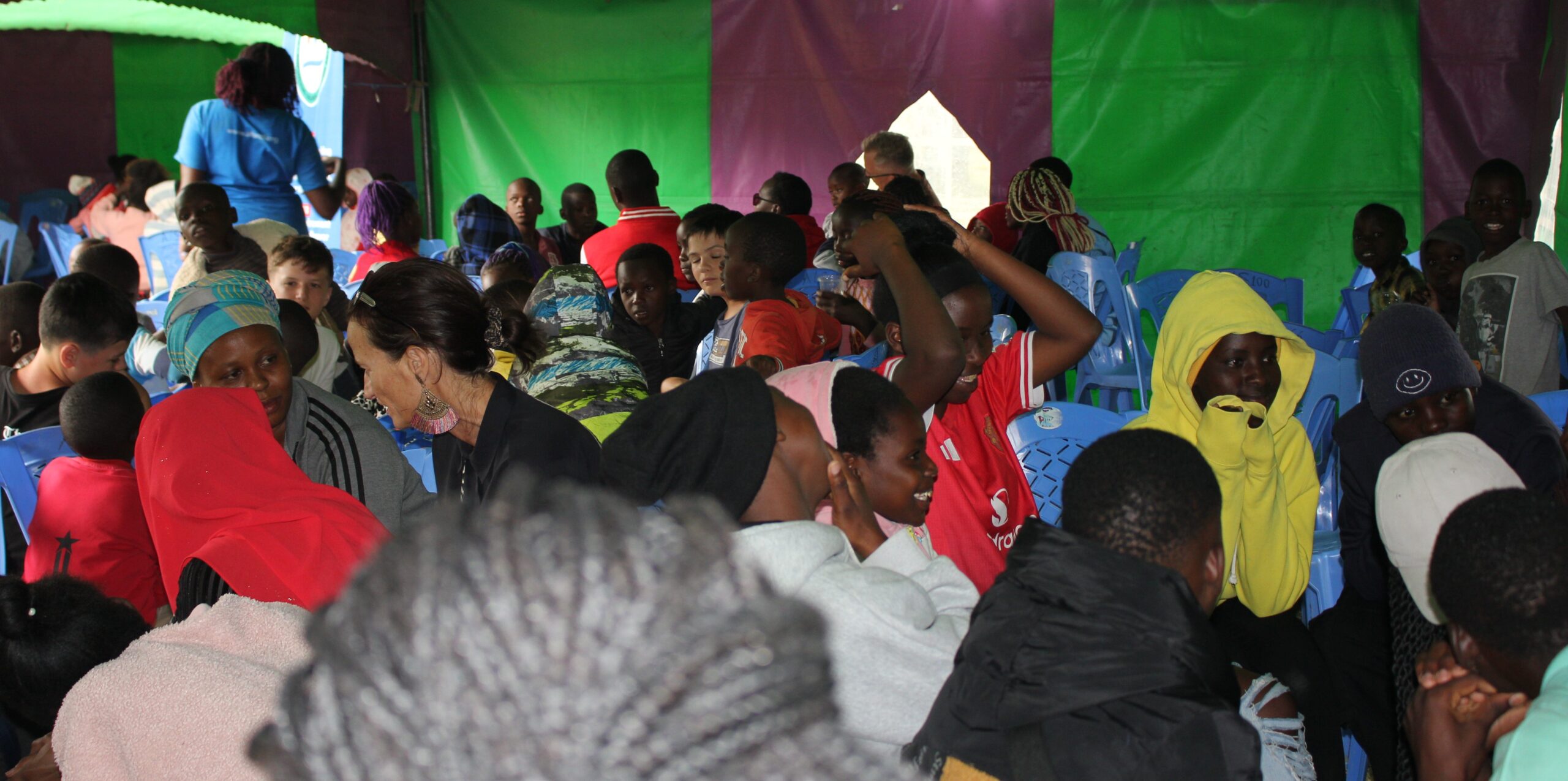
Gary and his brother Eric (not their real names) lost their parents to the road accident when they were toddlers. Promises from the mourners about their welfare followed. As is the norm, after burial, plenty of white roses and promises followed.
Then everything went back to normal, but for Gary and Eric, everything changed automatically: No goodnight lullaby, no parental hugs and love. So, what happens next?
Since they were not old enough to cater for their own needs, their mother’s best friend suggested that they should be sent to the Upendo Children’s Home. There, they would at least receive basic needs, love and protection.
Upendo Children’s Home is a community-based organization located in Kilifi County, Kenya, and supporting the vulnerable children within the County. The Upendo fraternity welcomed the two brothers at the age of four years and helped provide closure and comfort to them.
Upendo provided them with guidance and counseling, and love, ultimately helping them heal from the loss of their parents. Eventually, Gary and Eric adapted to their new life, accepting Upendo as the family they never had.
With the help of scholarship provided by the Upendo, the two brothers finished their primary and high school education and are currently pursuing careers at the tertiary level.
Children’s homes have always been the answered prayers to thousands of vulnerable children in need of shelter, protection, and love. In addition, they are a source of employment to many caregivers – which then translates to impact both in the community and family level.
Take look at the case of Gary and his brother Eric. What would have been their fate if Upendo Children’s Home didn’t come to their rescue? How likely is it that they would have been exposed to social vices that would have placed their lives and future at risk? What about other children who experience the same fate? How many times have we seen news of child trafficking, forced commercial prostitution, defilement, early pregnancies, among other vices? Wouldn’t this result to a spike in population of street children and worse – criminal activities?
On the contrary, the Government of Kenya – through the Department of Children Services – is phasing out charitable children’s homes. This exercise is expected to fully take place by the end of year 2032, with over 44,000 children expected to transition family and community-based care.
We (Art for Children Foundation – A4C) are not policy experts. We are practitioners and volunteers working with communities and children. But perhaps that is precisely why we need to ask these questions.
Whereas the government intends to shift focus from homes to kinship care, foster care, and or adoption, the country’s child protection policy, economy, among other factors, are far from ready for this transition. Among this limitation is the inadequate adoption agencies, and the financial struggles faced by many families – making it difficult to accommodate more than two children.
In light of these bottlenecks to the transition, the relevant child protection organizations and agencies should encourage the continuous operation of the children’s homes in Kenya. The situation on the ground calls for more than just smart policies on paper. It calls for a different tangent of conversation and collaboration with the existing and operating homes and children centred organizations – such as Art for Children.
Looking at the case of Gary and Eric, Upendo Children’s Home came just in time, to shape them from social vices and instill values and discipline that they have carried with them to their adulthood. Without such charity intervention, many children and other people who look upon children’s homes and other community-based organization for their safety and employment can end up being like the scattered flock of sheep with no shepherd when they are not functioning anymore.
In summary, children’s homes should not be phased out until viable, safe, adequately funded and functioning alternatives are genuinely available for every child who currently depends on them.
Author: Rtr. Evelyn Kumeiya is a third-year university student pursuing Bachelor of Arts in Childcare and Protection, at the Pwani University. She is also a member of the Rotaract club of Pwani University, and passionate about children living with disability.