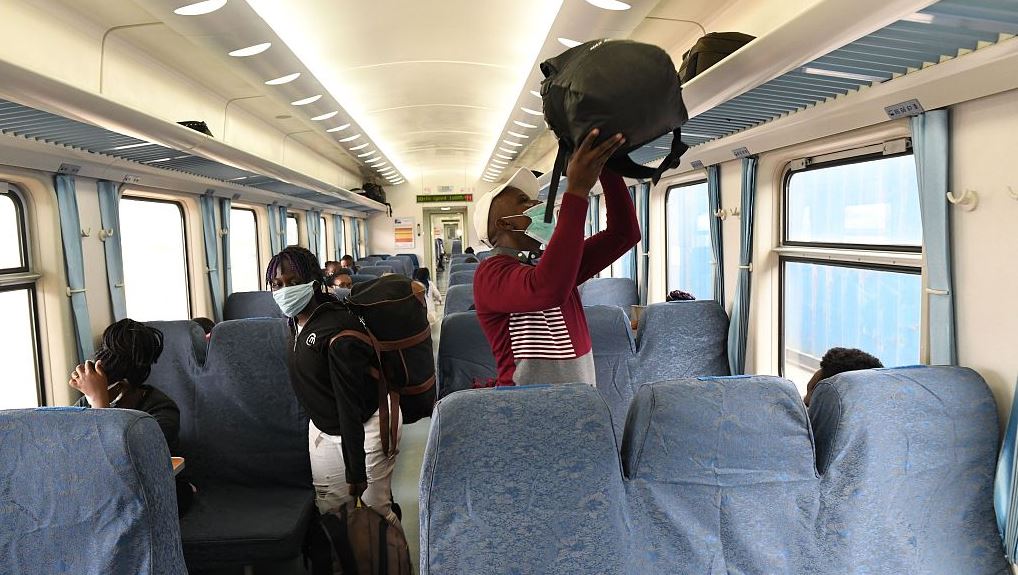
As I write this, I am seated on a train from Mombasa to Nairobi after a long day of end-of-semester exams. The cabin is calm. Around me are passengers. Some are asleep, others quietly enjoying snacks, each immersed in their own world. From the outside, everything seems peaceful.
But beneath that calm lies a powerful truth: no one can truly tell what another person is going through.
Each passenger carries a unique story – filled with hopes, struggles, stress, and silent battles. And that brings us to an important question: how do we handle the weight of our daily lives? Do we allow stress and frustration to spill over into others, or do we seek healthy ways to cope and heal?
This is why conversations around mental health matter now more than ever.
What is Mental Health?
Mental health refers to our emotional, psychological, and social well-being. It shapes how we think, feel, and behave. It also influences how we handle stress, relate to others, and make decisions.
Good mental health enables individuals to thrive – whether in school, at work, or within the community. It allows us to build meaningful relationships and navigate life’s challenges with resilience.
The State of Mental Health in Kenya
Mental health is a growing concern in Kenya, especially among young people – profoundly impacting the nation’s economy. While national statistics continue to evolve, current trends show a deeply worrying rise in mental health crisis affecting both youth and adults.
For example, Nairobi City Mortuary receives between 25 and 34 bodies suicide-related deaths every week. Out of these numbers, 8 to 10 are youths.
In addition, the Taskforce on Mental Health’s 2020 report indicate that approximately 1 in 10 adults in Kenya live with a diagnosable mental health condition. Many seek support through outpatient services, yet access to care remains limited for a large portion of the population.
It is thus critical that we take care of our mental health needs, to better protect ourselves and those around us.
Back in this train, it is impossible to tell who may be struggling or who has overcome mental health challenges. What we see on the outside rarely reflects the reality within.
Effects of Mental Health in Children
Children are among the most vulnerable when it comes to mental health challenges. This applies to both direct and indirect victims.
Trauma, abuse, neglect, and violence can leave deep psychological scars. Some children withdraw from social interactions. Others struggle to speak, trust, or even step outside due to fear and anxiety. This is true with the recent cases of defilement and murder of young girls in Kenya, that have left psychological scars among many – children, youth, and adults.
Recent tragic incidents involving young children in Kenya remind us of the devastating consequences of untreated mental health issues within society. These are not isolated cases—they reflect deeper systemic gaps in awareness, prevention, and support.
The recent cases of baby Tamara Blessing and 9-year-old Shantel are examples of the souls who suffered the wrath of the mental illness. This came unexpected and due to untreated mental illness, that led to their untimely deaths.
Some children cannot go out due to the hate for themselves for the inhumanity caused unto them. Some become introverts and social distance due to the trauma imposed unto them. These effects, coupled with society’s perspective on the innocent victims need to be addressed accordingly.
Where are we going wrong?
Given the uniqueness and boldness of Generations Z and Alpha, mental health needs addressing with lots of concern and care. Unfortunately, several factors continue to contribute to the deteriorating mental health cases in the country. For example: Stigma and ignorance surrounding mental illness; Limited access to mental health services, especially in rural areas; Shortage of trained mental health professionals; Insufficient funding for awareness and intervention programs.
Combined, gaps prevent many individuals, especially children, from receiving the help they need.
What can we do to solve this epidemic?
We as Kenyans should take care of our mental health. We should take continuous headaches seriously, since they are one of the symptoms. We should get enough sleep and visit mental health professionals regularly. Mental health awareness forums should receive more funding in order to support advocacy in all parts of the country. Moreover, people should be encouraged to open up and share their problems and challenges regularly. With all this, mental illness will reduce, leading to a significant reduction in cases of suicide, murder, and defilement among other societal vices.
Conclusion
As my train approaches Nairobi, one thing becomes clear: mental health is not a personal issue. It is a societal one. It affects people of all ages, genders, and backgrounds. And just like the passengers on this train, many are silently navigating their struggles. Mental health must become a national priority. By creating awareness, breaking stigma, and supporting one another, we can build a healthier, more compassionate society for all – especially for our children.
Author: Evelyn Kumeiya is a member of the Rotaract club of Pwani University and a second-year student pursuing Bachelor of Arts in Childcare and Protection. She is passionate about children living with disability.